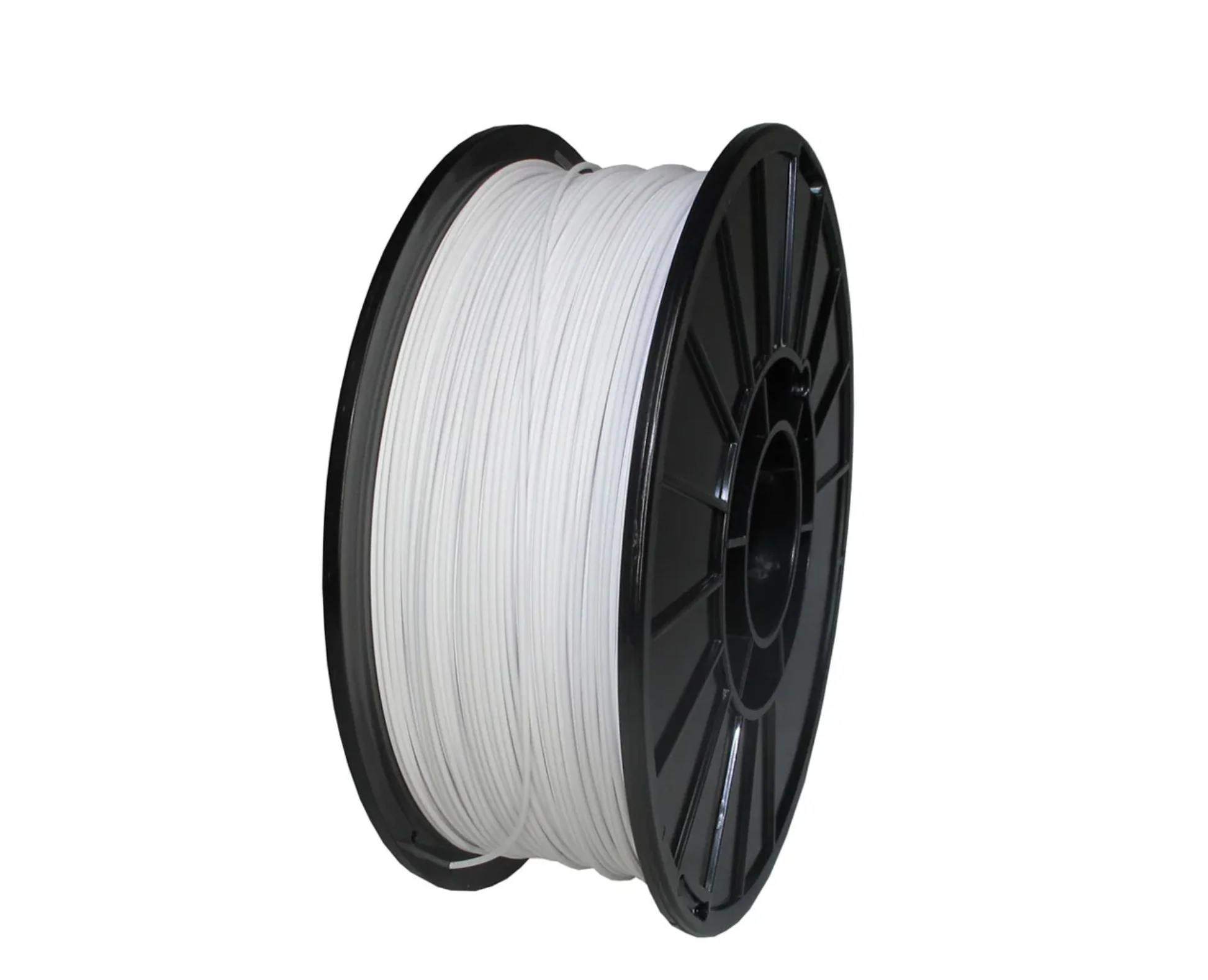
PETG Filament
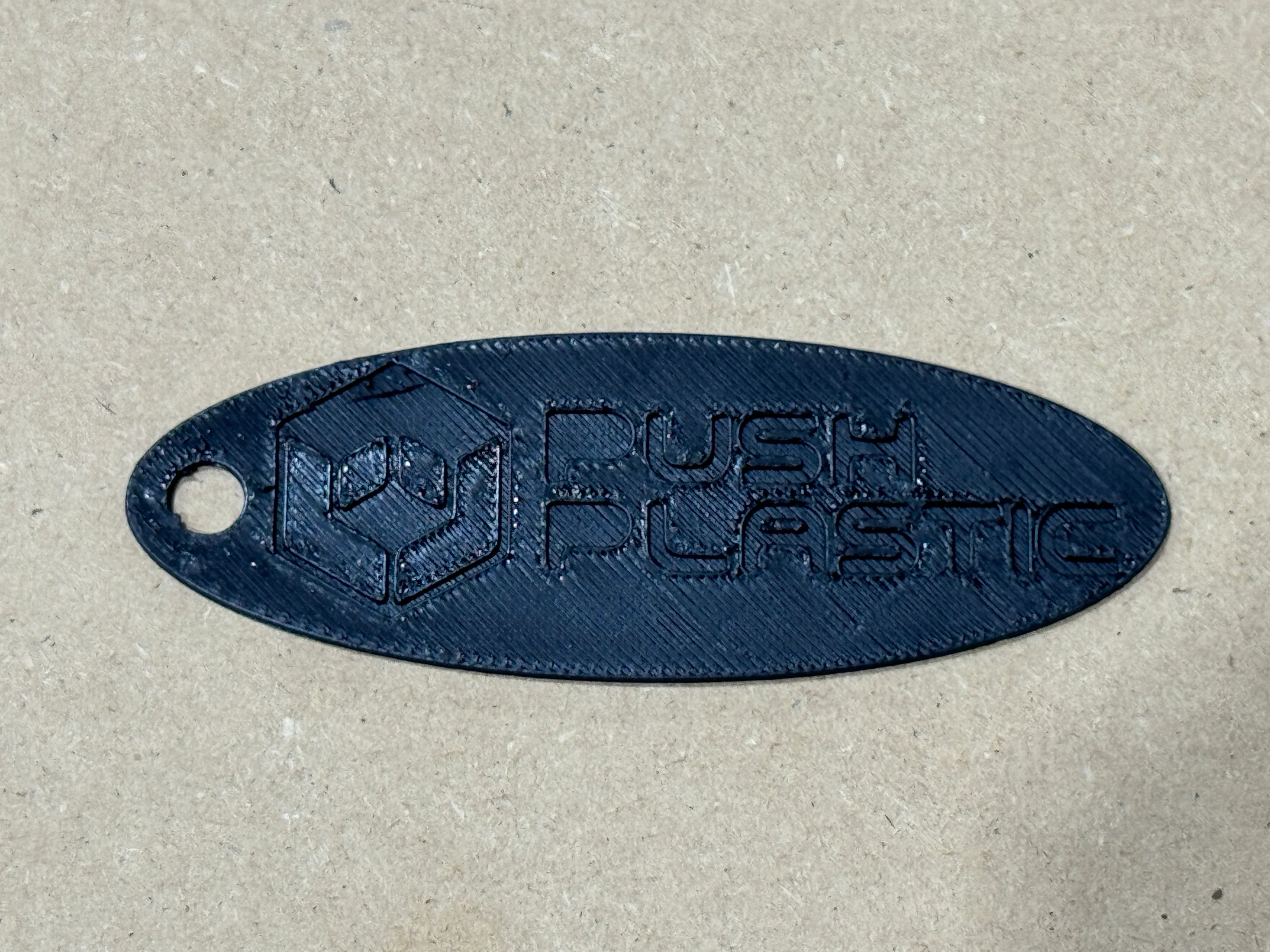
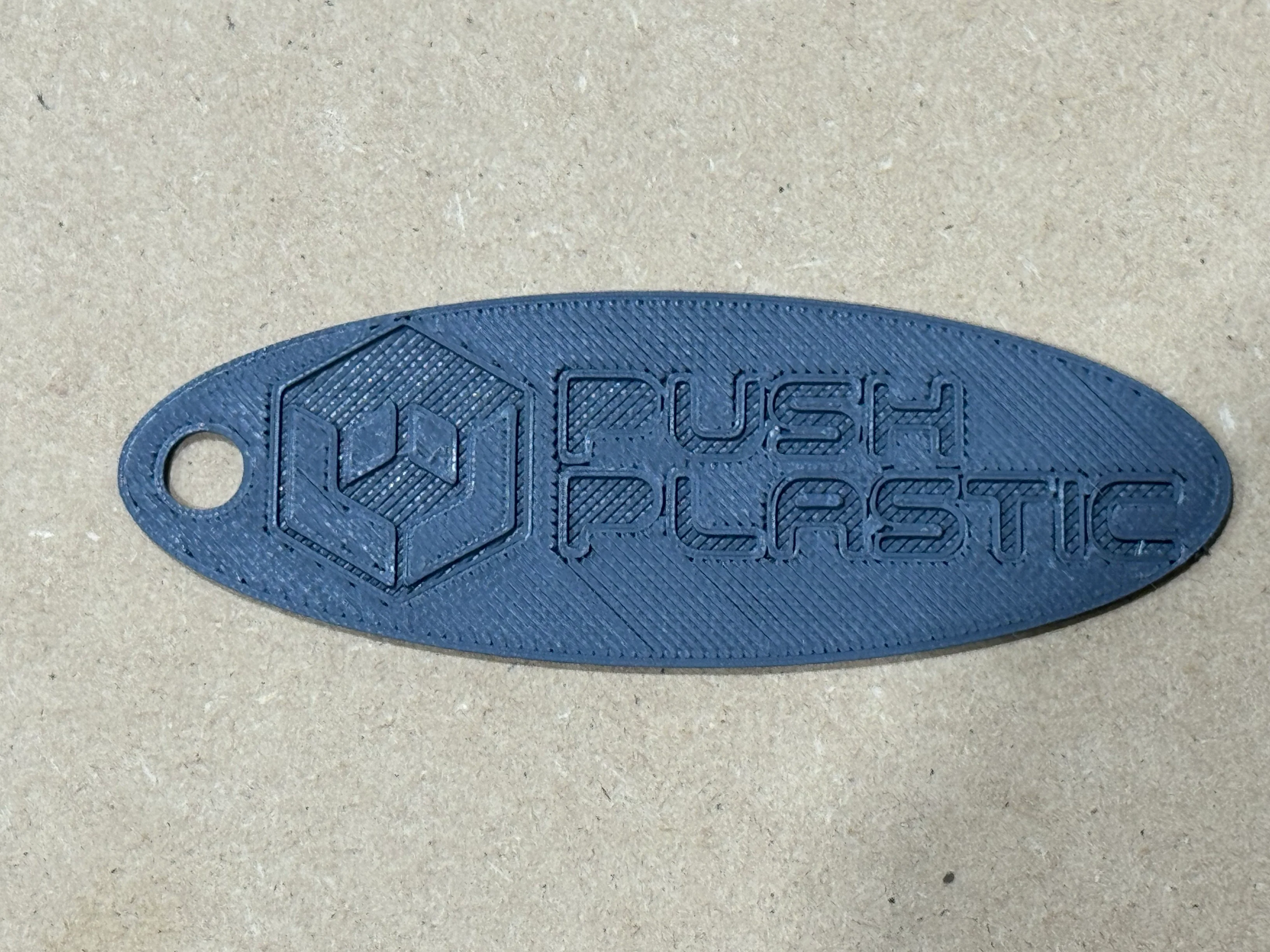
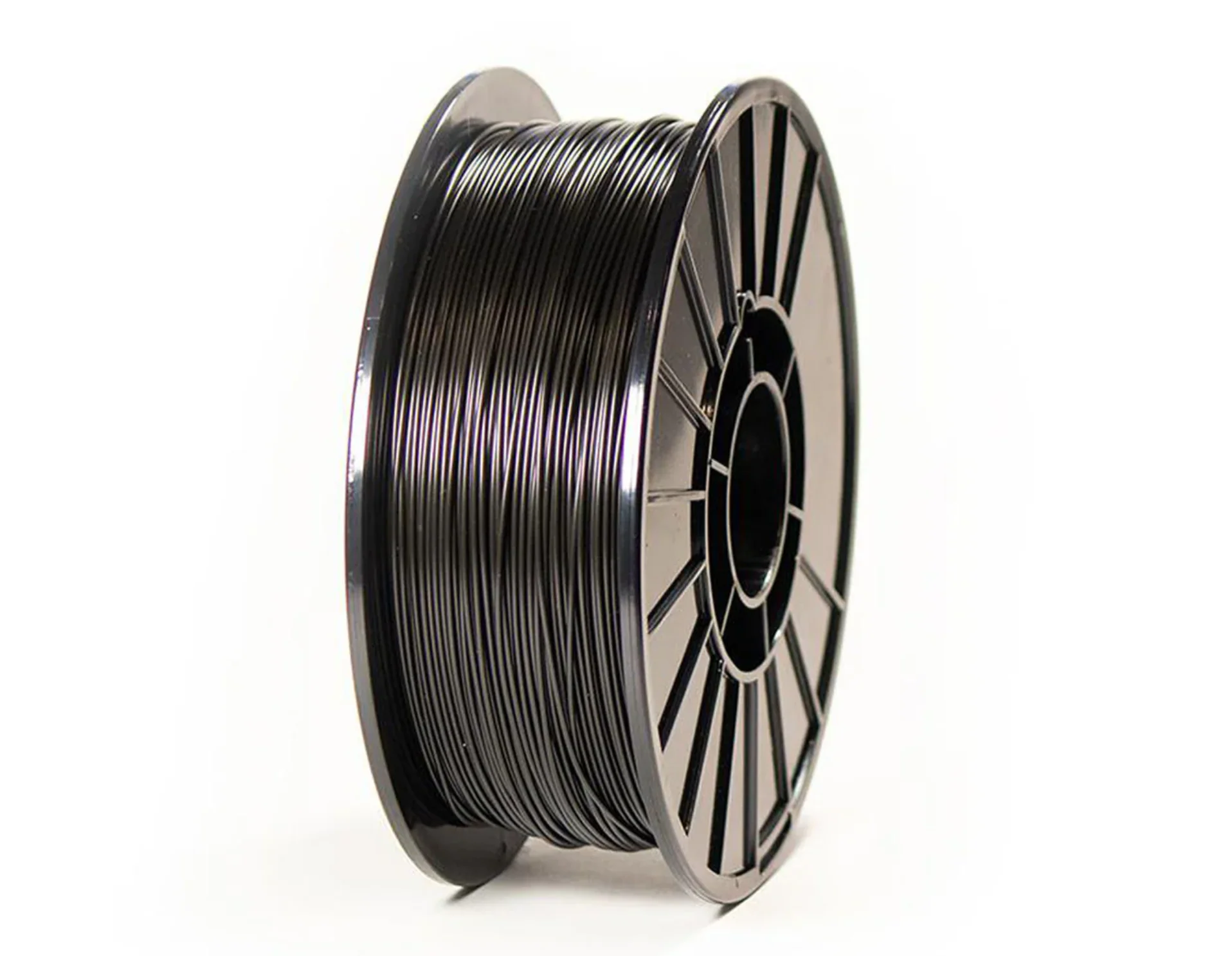
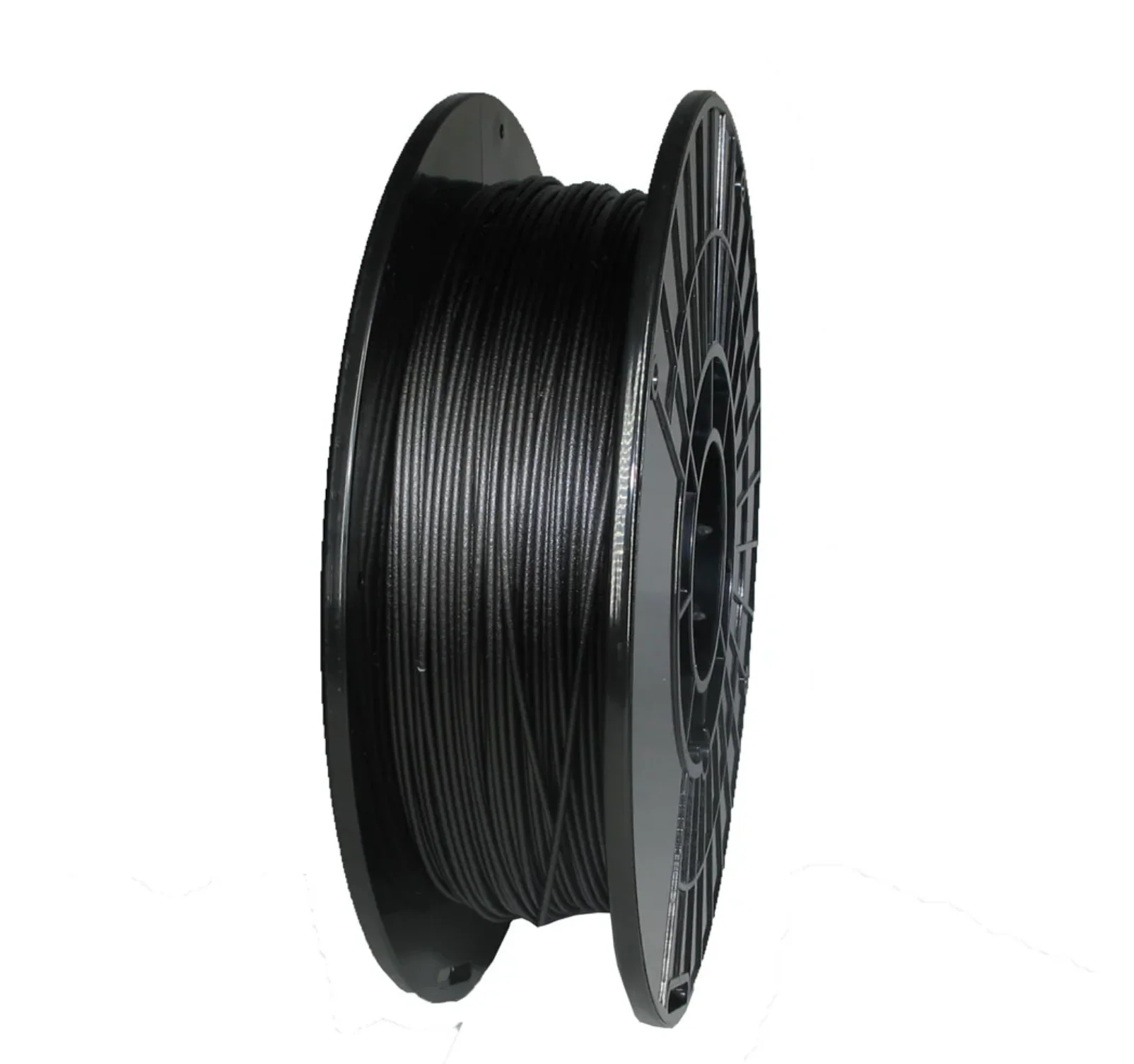
PETG filament is a strong, durable, and easy-to-use 3D printing material that offers an excellent balance between everyday printability and functional part performance. PETG, short for Polyethylene Terephthalate Glycol Comonomer, is a transparent thermoplastic known for its impact resistance, chemical resistance, and toughness.
PETG is a great choice when you need parts that are stronger and more heat-resistant than PLA, while still being easier to print than many engineering-grade materials. It is well suited for brackets, fixtures, guards, organizers, shop accessories, machine parts, containers, display pieces, and functional prints that need added durability.
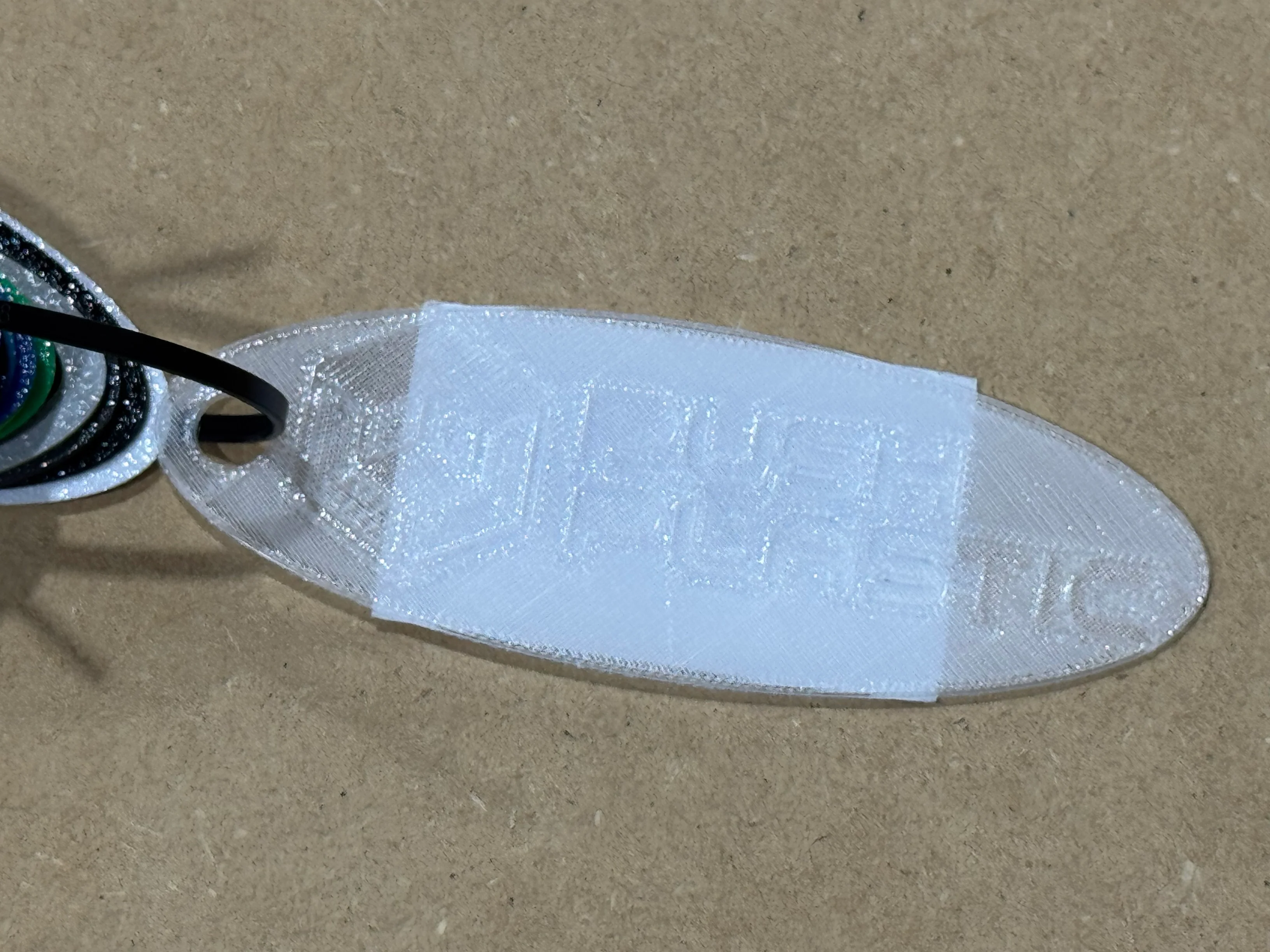
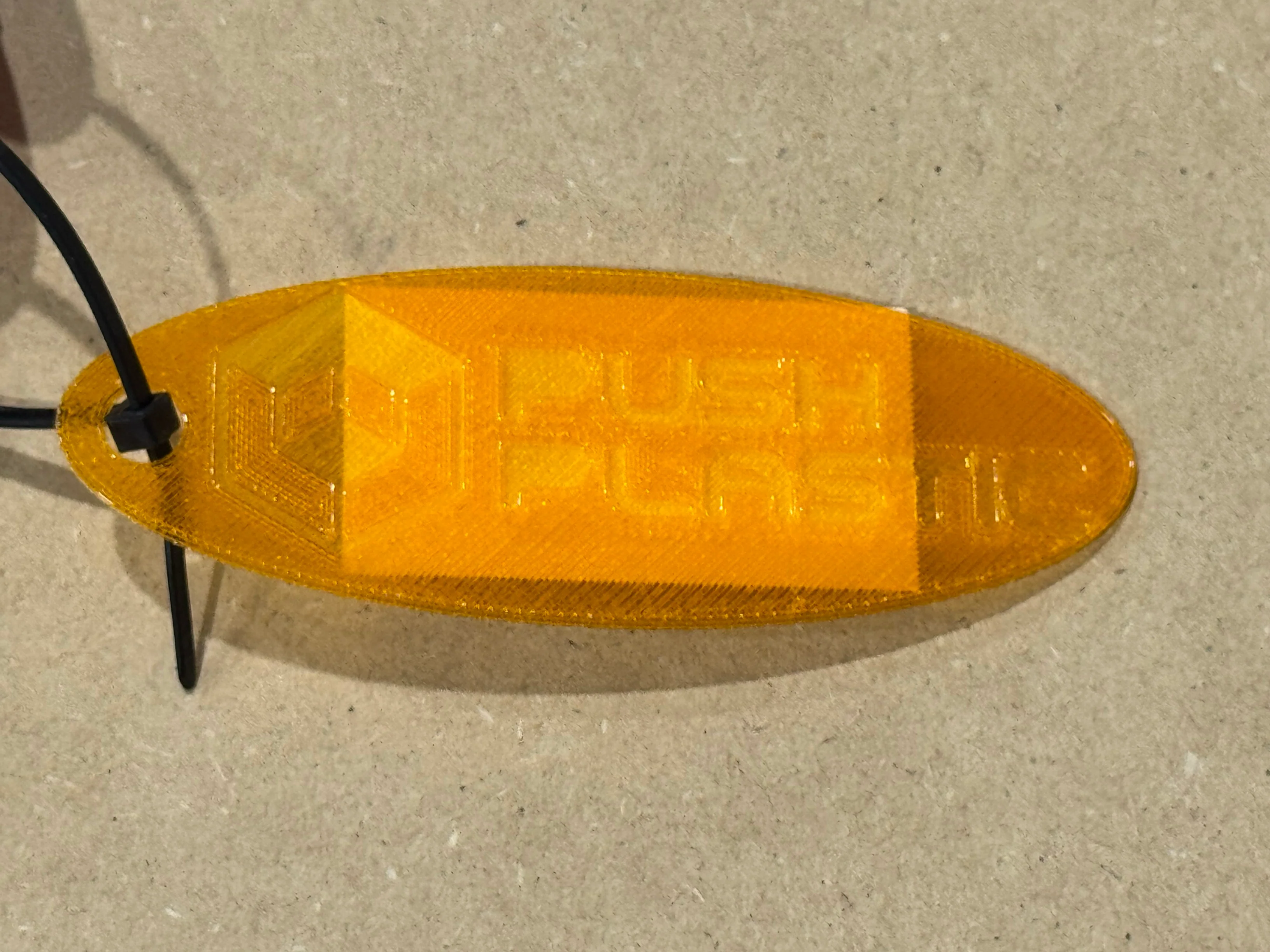
Natural PETG has excellent clarity, making it a strong option for applications where transparency or light transmission is desired. It also provides excellent chemical resistance for a clear plastic, making it useful in shop, CNC, garage, and light industrial environments.
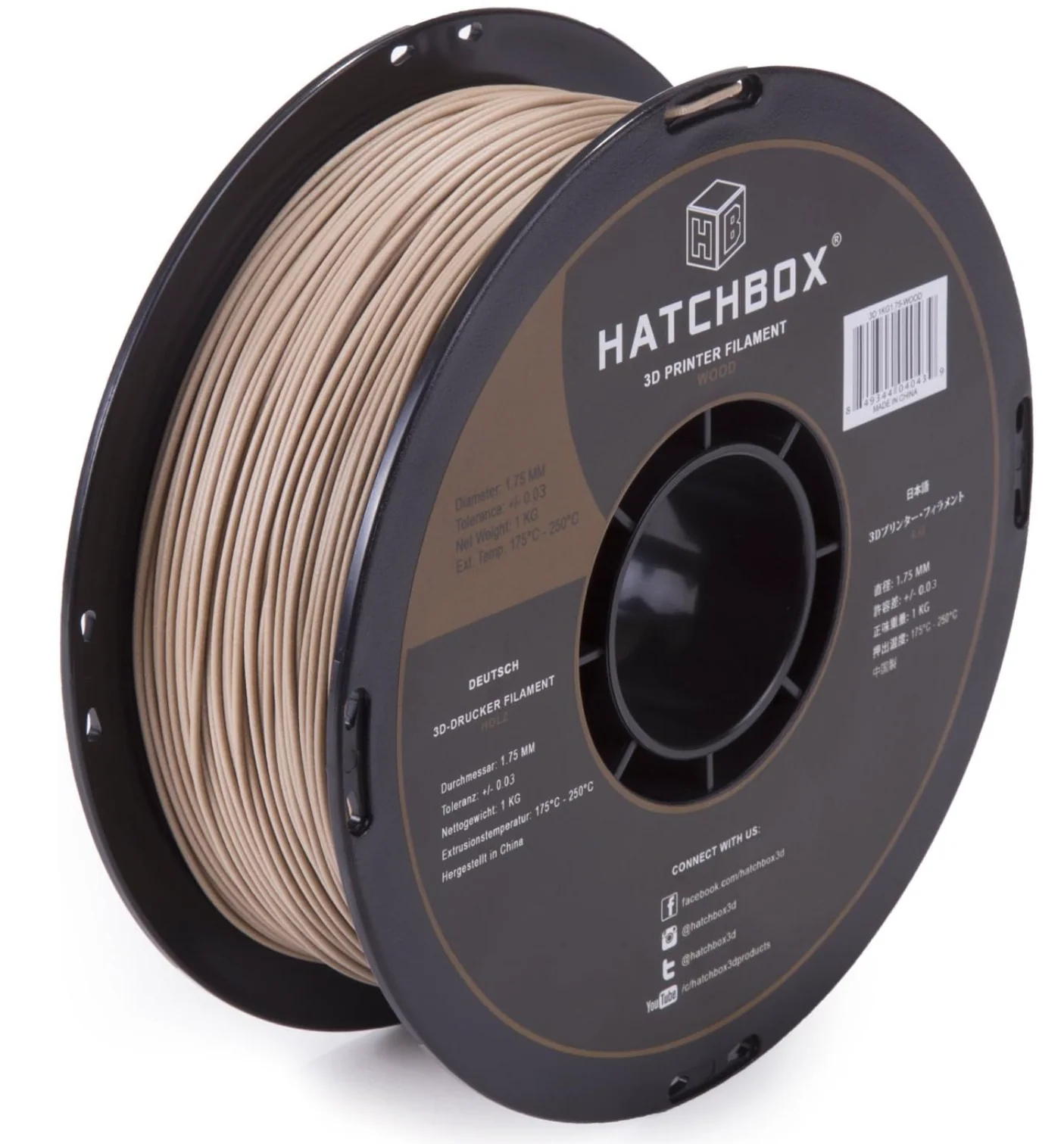
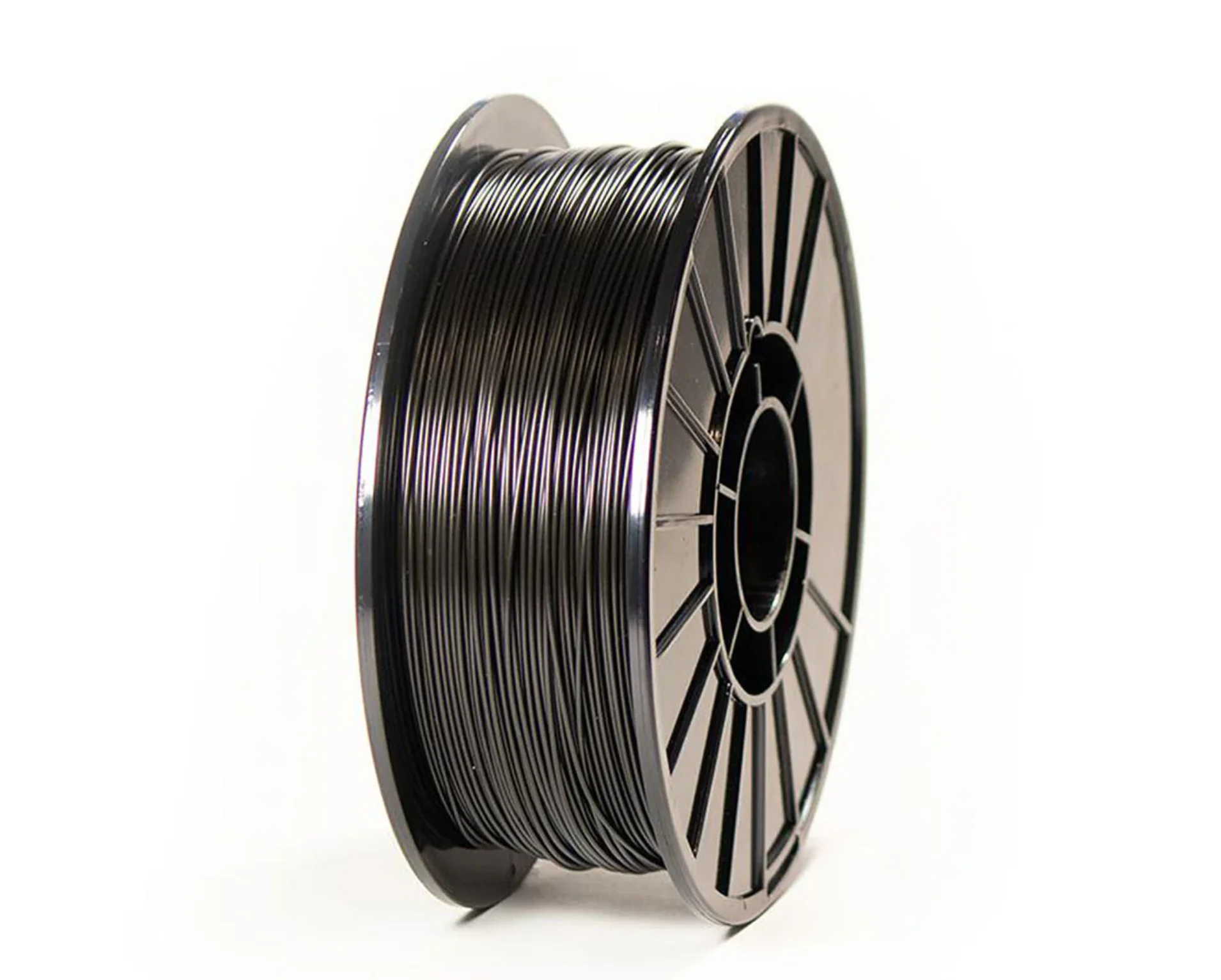
Each spool is manufactured in the USA from 100% virgin resin, spooled onto 1kg reels, and vacuum-sealed with desiccant to help preserve print quality. The 1kg spools are compatible with most multi-material systems, including Bambu Lab AMS.
Key Features
- Strong, durable, general-purpose 3D printing filament
- Great impact resistance
- Stronger and more heat-resistant than PLA
- Easier to print than many engineering-grade materials
- Excellent chemical resistance for a clear plastic
- Natural PETG offers very good clarity
- Great for functional parts, brackets, fixtures, guards, shop accessories, organizers, and machine-related prints
- Manufactured in the USA
- Made from 100% virgin resin
- Vacuum-sealed with desiccant
- 1kg spool compatible with most multi-material systems, including Bambu Lab AMS
Recommended Print Settings
- Extruder Temperature: 230–250°C
- Bed Temperature: 70–90°C
- Nozzle: 0.4mm standard, larger nozzles may be used for stronger or faster prints
- Layer Height: 0.16–0.28mm depending on desired detail and strength
- Print Speed: 35–60mm/s as a starting range
- Cooling: Moderate cooling recommended; reduce cooling for stronger layer adhesion
Printing Tips
PETG likes a clean build surface and a slightly slower first layer for reliable bed adhesion. Avoid printing too close to the bed, as PETG can bond aggressively to some surfaces. A small Z-offset adjustment may help improve first-layer quality and make part removal easier.
For best results, keep PETG dry and store it sealed when not in use. Drying the filament before printing can improve surface finish, reduce stringing, and produce more consistent extrusion. PETG may string more than PLA, so tuning retraction, temperature, and travel settings can help produce cleaner parts.
Original: $24.99
-65%$24.99
$8.75More Images
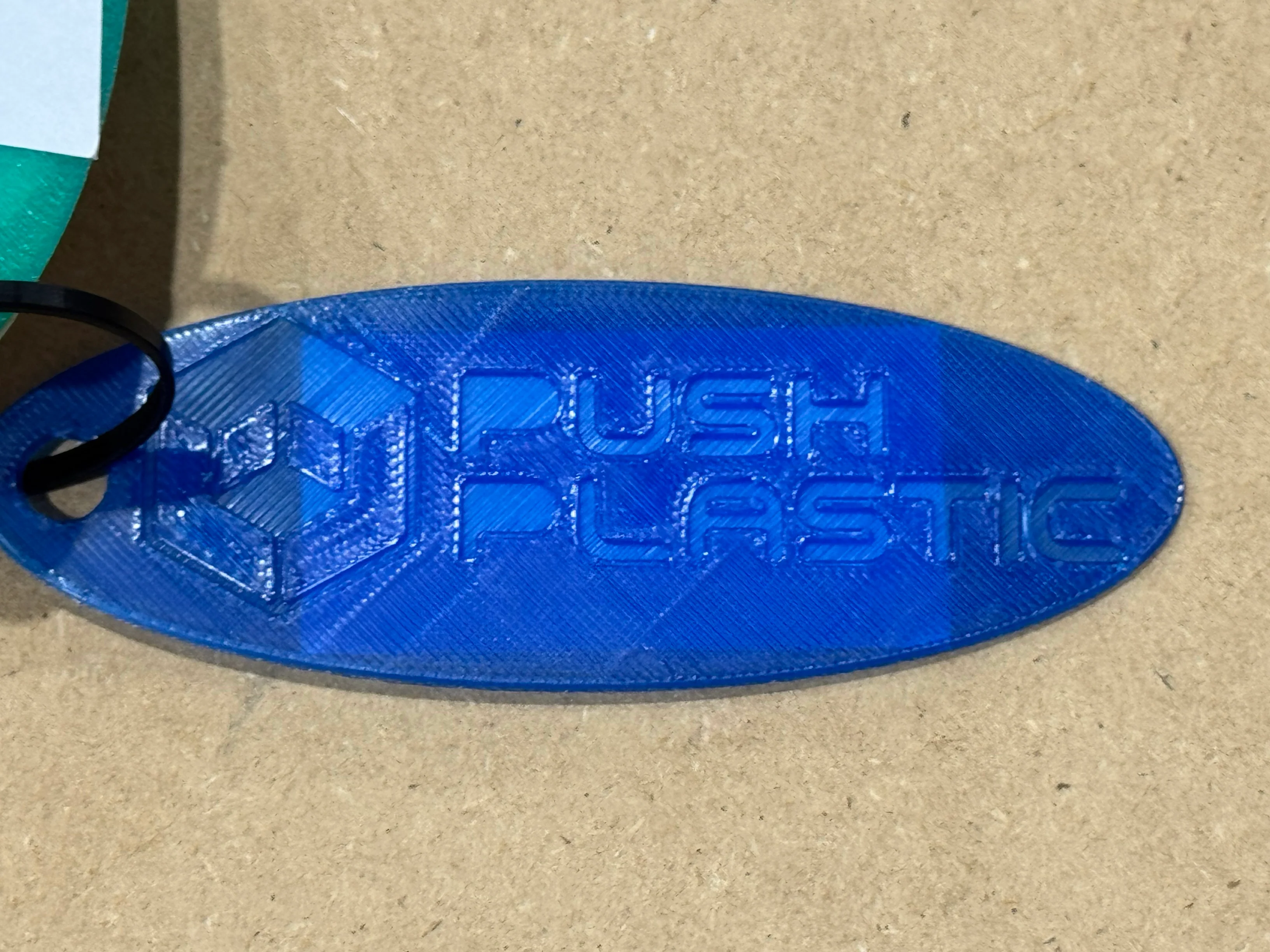
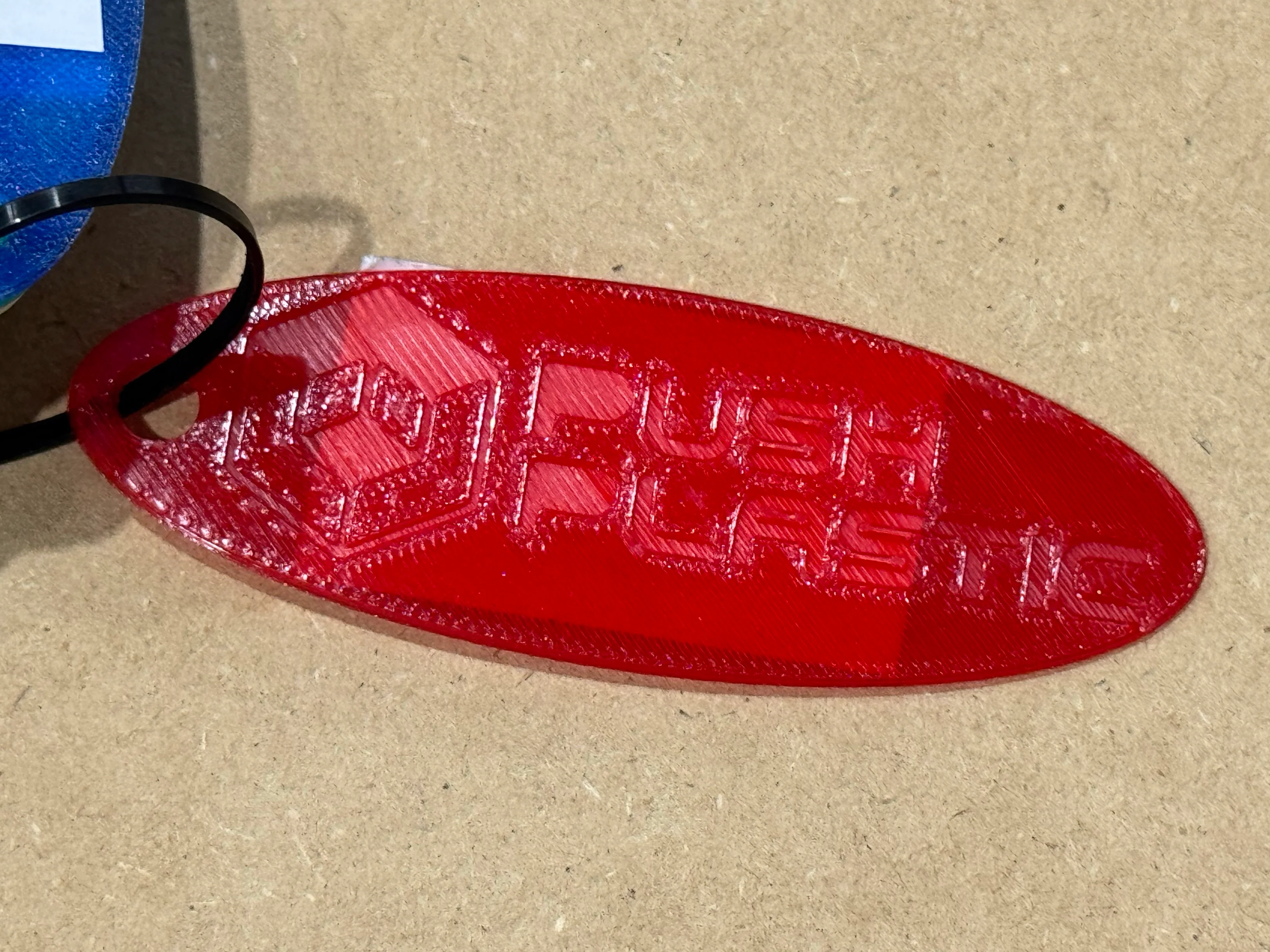
PETG Filament
PETG filament is a strong, durable, and easy-to-use 3D printing material that offers an excellent balance between everyday printability and functional part performance. PETG, short for Polyethylene Terephthalate Glycol Comonomer, is a transparent thermoplastic known for its impact resistance, chemical resistance, and toughness.
PETG is a great choice when you need parts that are stronger and more heat-resistant than PLA, while still being easier to print than many engineering-grade materials. It is well suited for brackets, fixtures, guards, organizers, shop accessories, machine parts, containers, display pieces, and functional prints that need added durability.
Natural PETG has excellent clarity, making it a strong option for applications where transparency or light transmission is desired. It also provides excellent chemical resistance for a clear plastic, making it useful in shop, CNC, garage, and light industrial environments.
Each spool is manufactured in the USA from 100% virgin resin, spooled onto 1kg reels, and vacuum-sealed with desiccant to help preserve print quality. The 1kg spools are compatible with most multi-material systems, including Bambu Lab AMS.
Key Features
- Strong, durable, general-purpose 3D printing filament
- Great impact resistance
- Stronger and more heat-resistant than PLA
- Easier to print than many engineering-grade materials
- Excellent chemical resistance for a clear plastic
- Natural PETG offers very good clarity
- Great for functional parts, brackets, fixtures, guards, shop accessories, organizers, and machine-related prints
- Manufactured in the USA
- Made from 100% virgin resin
- Vacuum-sealed with desiccant
- 1kg spool compatible with most multi-material systems, including Bambu Lab AMS
Recommended Print Settings
- Extruder Temperature: 230–250°C
- Bed Temperature: 70–90°C
- Nozzle: 0.4mm standard, larger nozzles may be used for stronger or faster prints
- Layer Height: 0.16–0.28mm depending on desired detail and strength
- Print Speed: 35–60mm/s as a starting range
- Cooling: Moderate cooling recommended; reduce cooling for stronger layer adhesion
Printing Tips
PETG likes a clean build surface and a slightly slower first layer for reliable bed adhesion. Avoid printing too close to the bed, as PETG can bond aggressively to some surfaces. A small Z-offset adjustment may help improve first-layer quality and make part removal easier.
For best results, keep PETG dry and store it sealed when not in use. Drying the filament before printing can improve surface finish, reduce stringing, and produce more consistent extrusion. PETG may string more than PLA, so tuning retraction, temperature, and travel settings can help produce cleaner parts.
Product Information
Product Information
Shipping & Returns
Shipping & Returns
Description
PETG filament is a strong, durable, and easy-to-use 3D printing material that offers an excellent balance between everyday printability and functional part performance. PETG, short for Polyethylene Terephthalate Glycol Comonomer, is a transparent thermoplastic known for its impact resistance, chemical resistance, and toughness.
PETG is a great choice when you need parts that are stronger and more heat-resistant than PLA, while still being easier to print than many engineering-grade materials. It is well suited for brackets, fixtures, guards, organizers, shop accessories, machine parts, containers, display pieces, and functional prints that need added durability.
Natural PETG has excellent clarity, making it a strong option for applications where transparency or light transmission is desired. It also provides excellent chemical resistance for a clear plastic, making it useful in shop, CNC, garage, and light industrial environments.
Each spool is manufactured in the USA from 100% virgin resin, spooled onto 1kg reels, and vacuum-sealed with desiccant to help preserve print quality. The 1kg spools are compatible with most multi-material systems, including Bambu Lab AMS.
Key Features
- Strong, durable, general-purpose 3D printing filament
- Great impact resistance
- Stronger and more heat-resistant than PLA
- Easier to print than many engineering-grade materials
- Excellent chemical resistance for a clear plastic
- Natural PETG offers very good clarity
- Great for functional parts, brackets, fixtures, guards, shop accessories, organizers, and machine-related prints
- Manufactured in the USA
- Made from 100% virgin resin
- Vacuum-sealed with desiccant
- 1kg spool compatible with most multi-material systems, including Bambu Lab AMS
Recommended Print Settings
- Extruder Temperature: 230–250°C
- Bed Temperature: 70–90°C
- Nozzle: 0.4mm standard, larger nozzles may be used for stronger or faster prints
- Layer Height: 0.16–0.28mm depending on desired detail and strength
- Print Speed: 35–60mm/s as a starting range
- Cooling: Moderate cooling recommended; reduce cooling for stronger layer adhesion
Printing Tips
PETG likes a clean build surface and a slightly slower first layer for reliable bed adhesion. Avoid printing too close to the bed, as PETG can bond aggressively to some surfaces. A small Z-offset adjustment may help improve first-layer quality and make part removal easier.
For best results, keep PETG dry and store it sealed when not in use. Drying the filament before printing can improve surface finish, reduce stringing, and produce more consistent extrusion. PETG may string more than PLA, so tuning retraction, temperature, and travel settings can help produce cleaner parts.