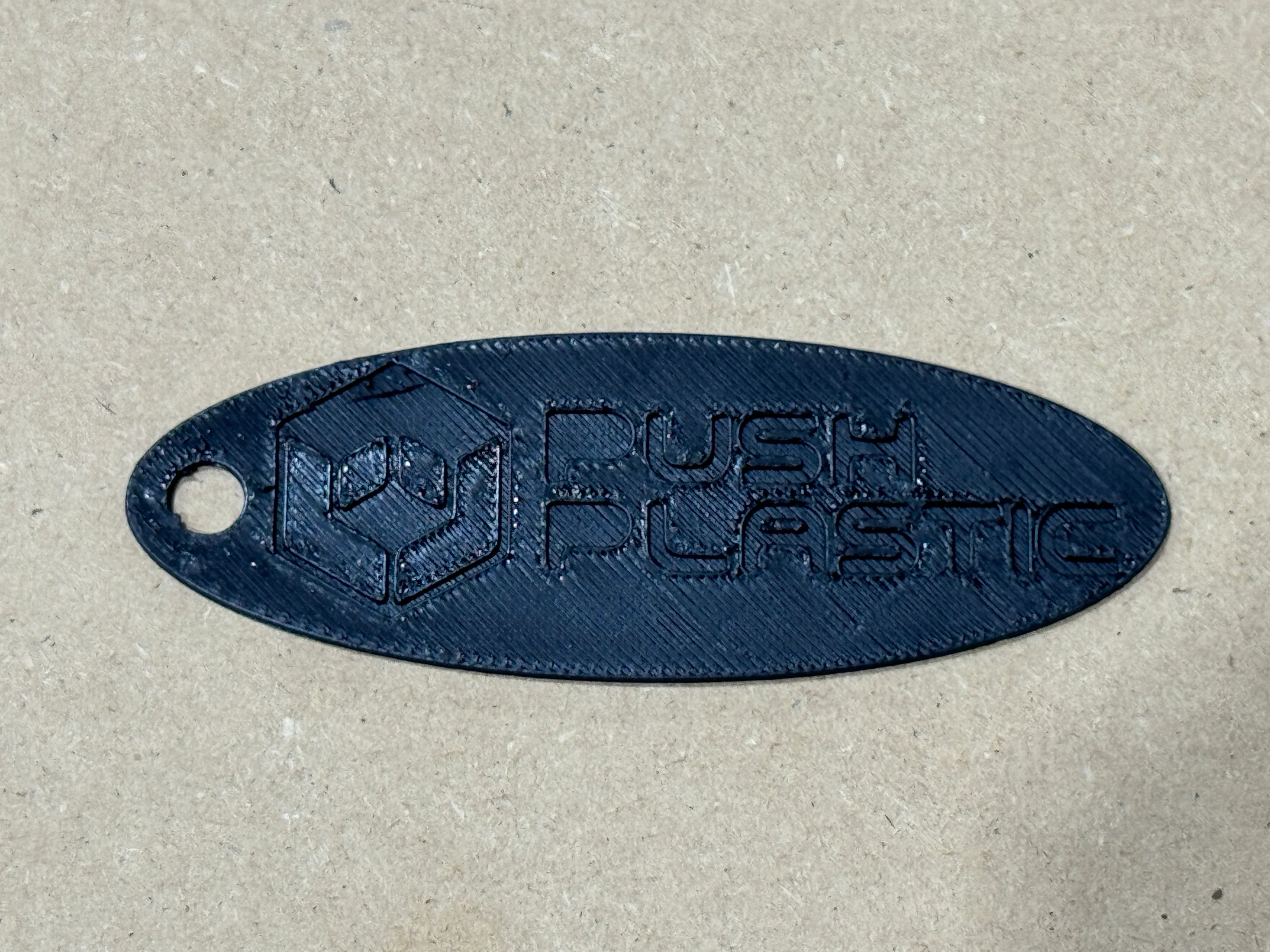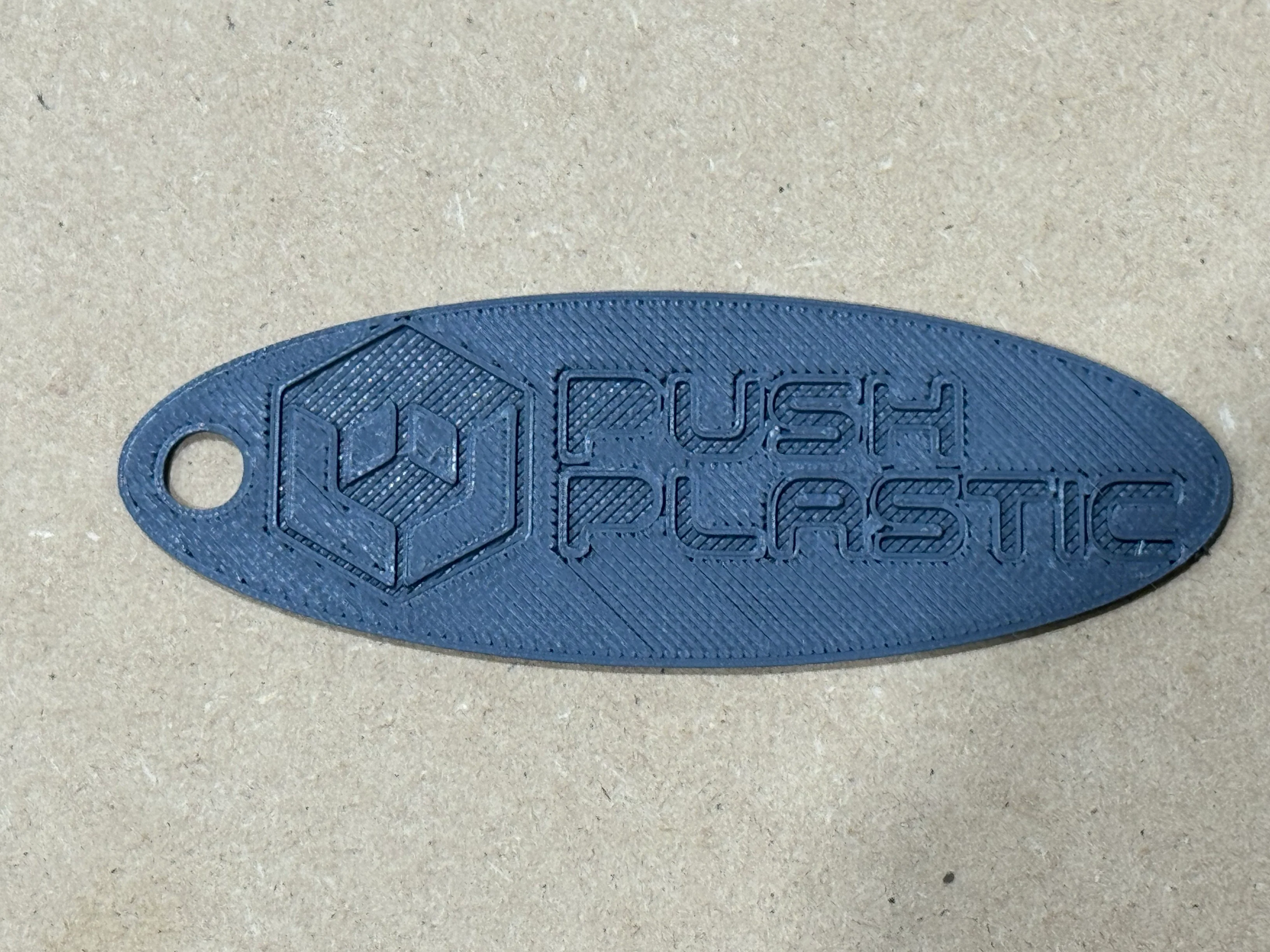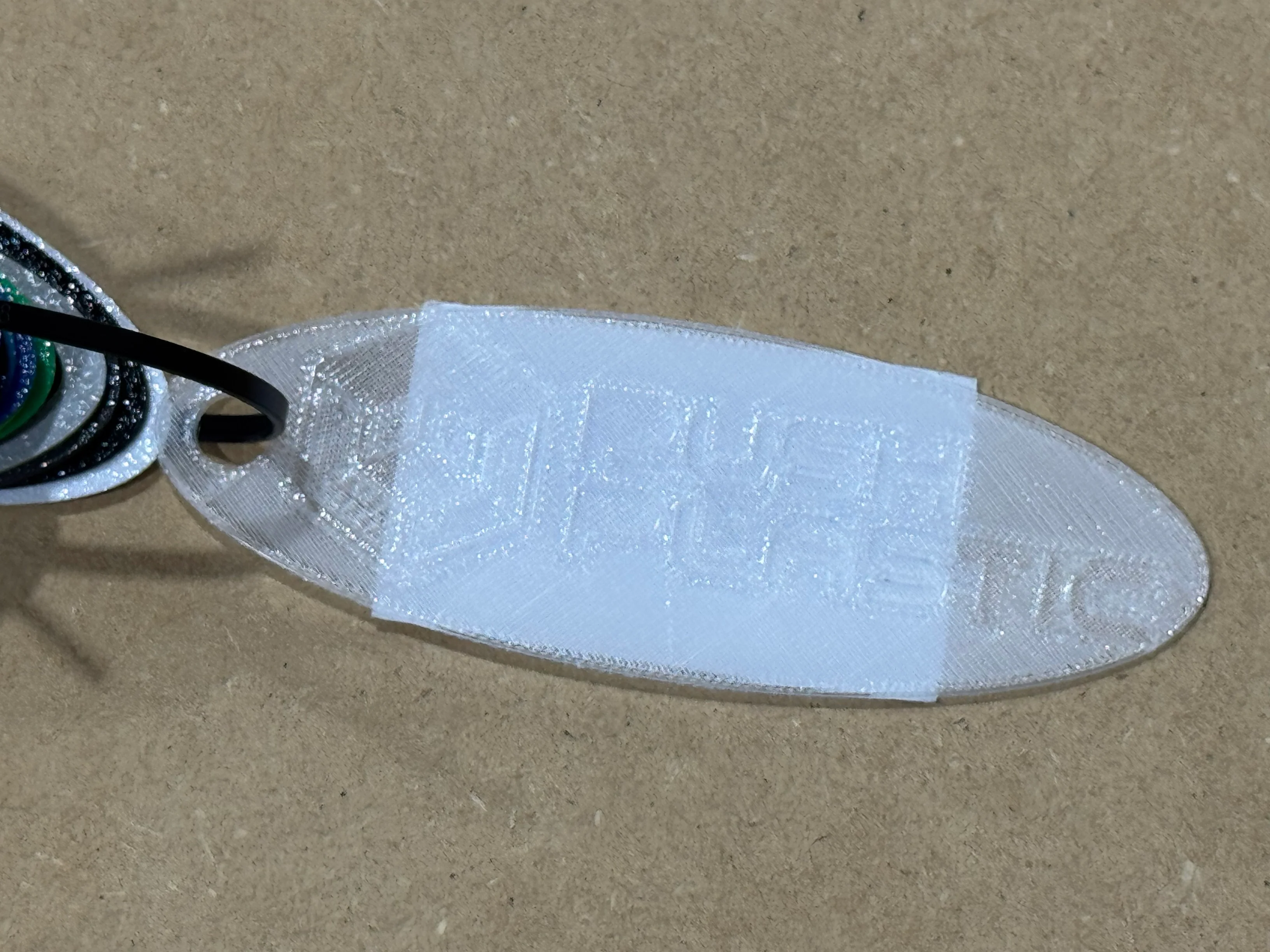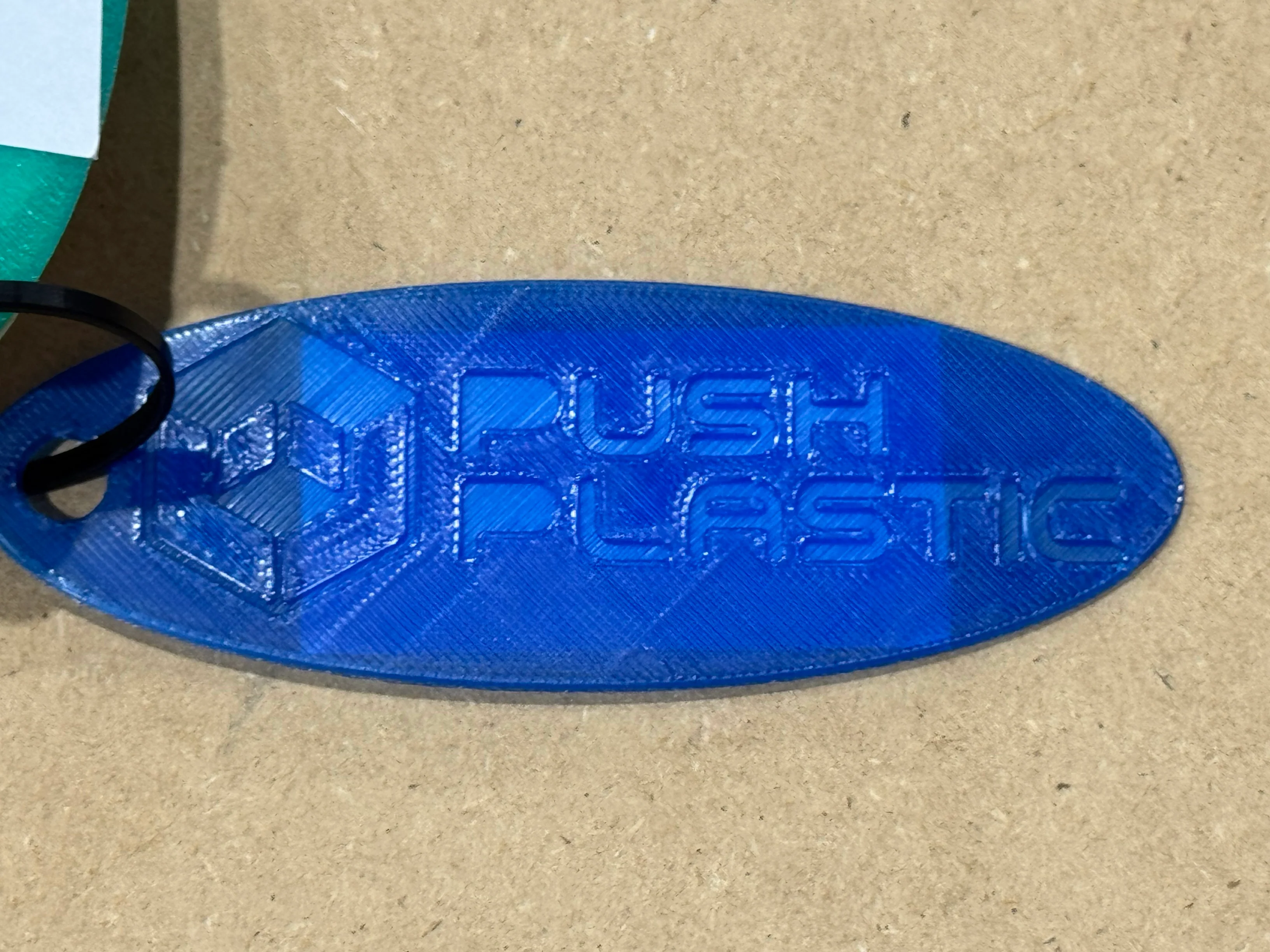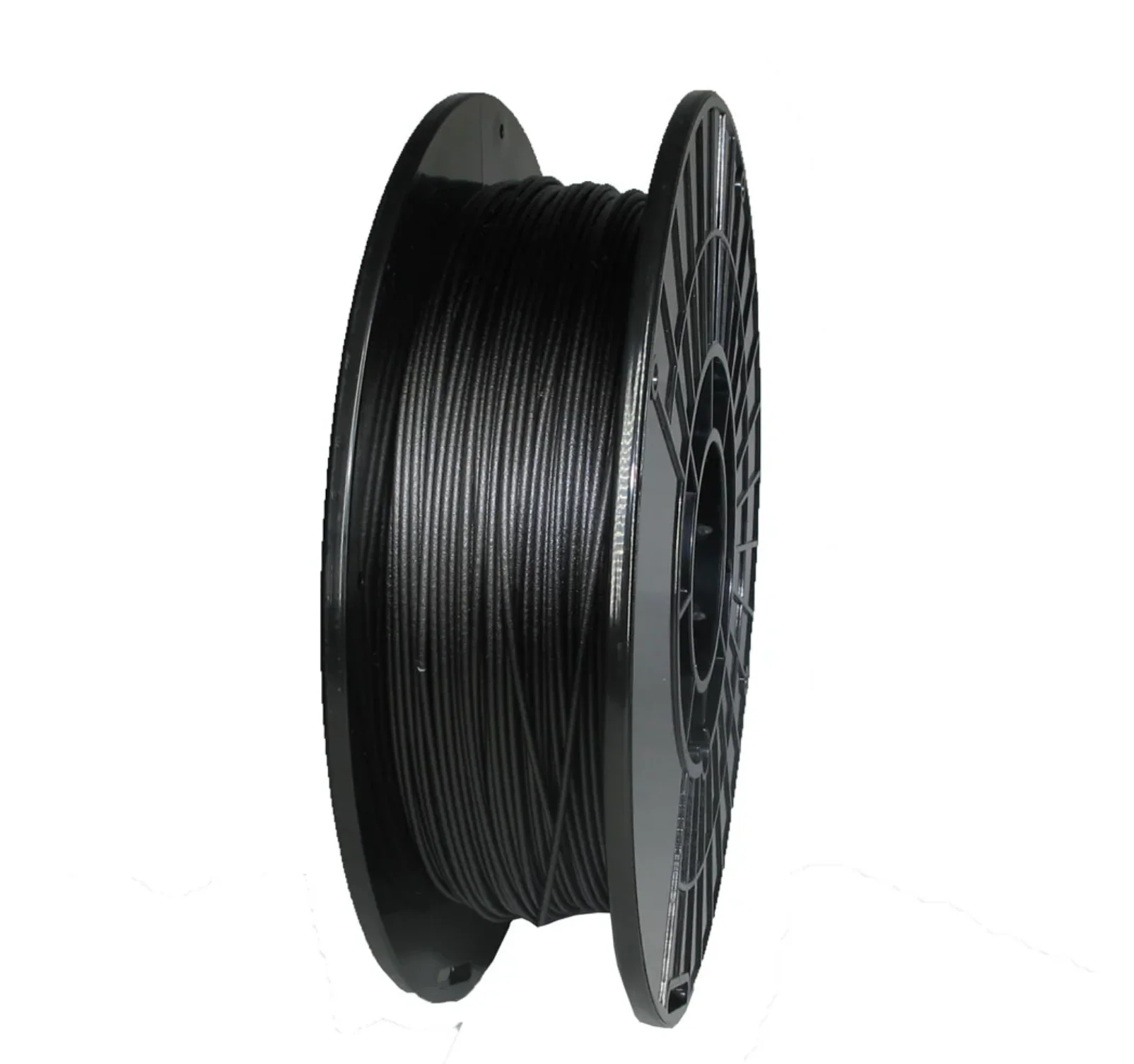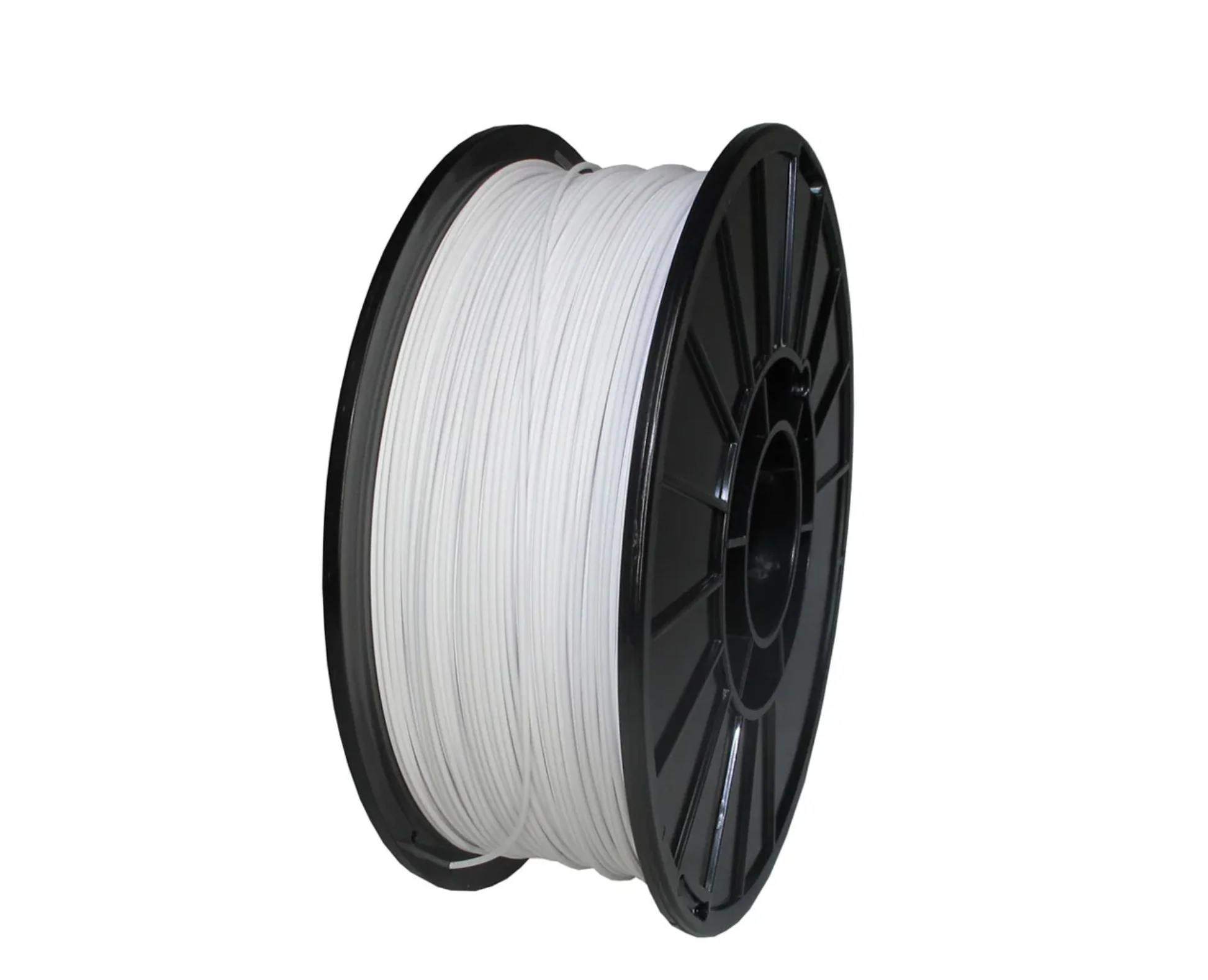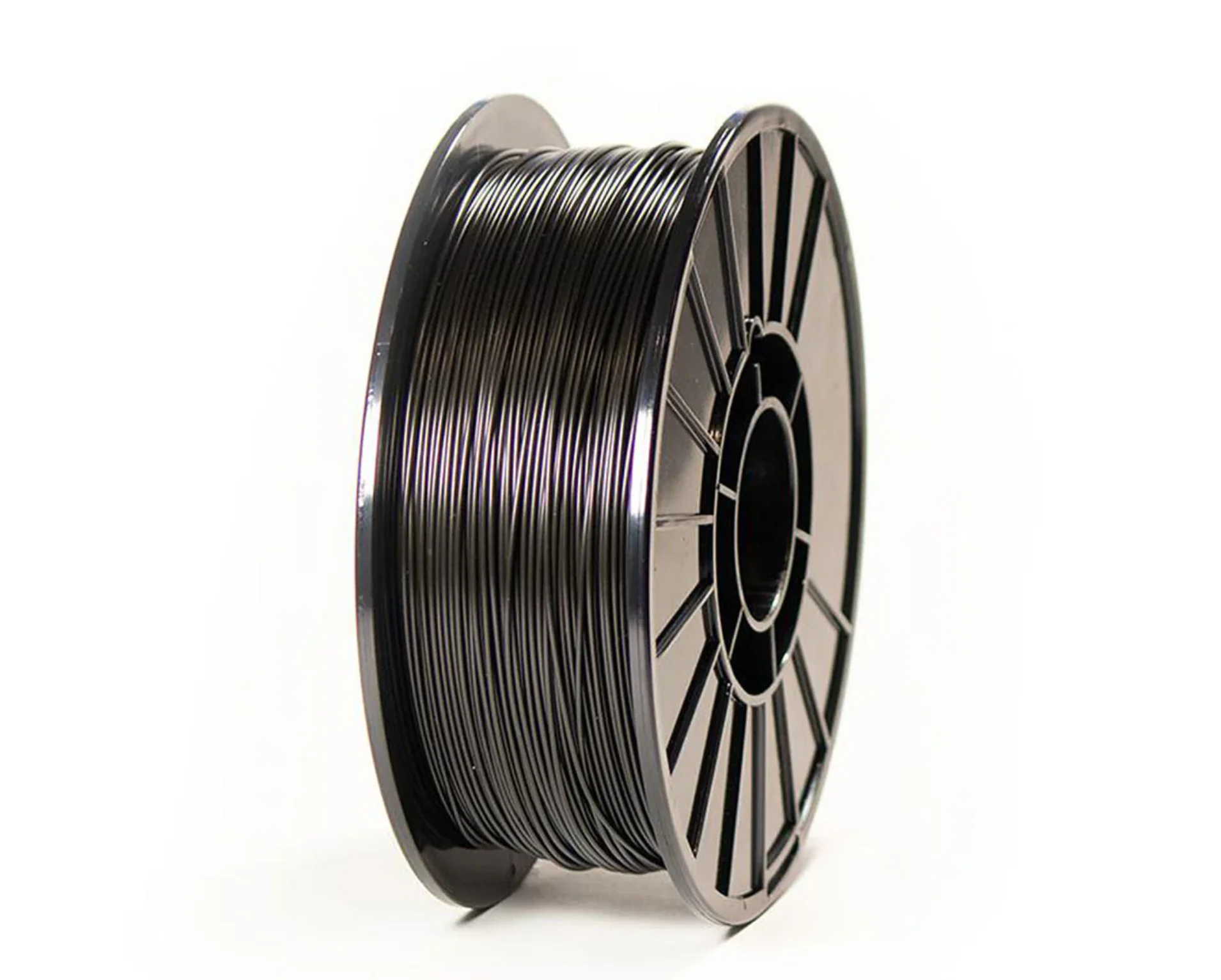
ABS Filament
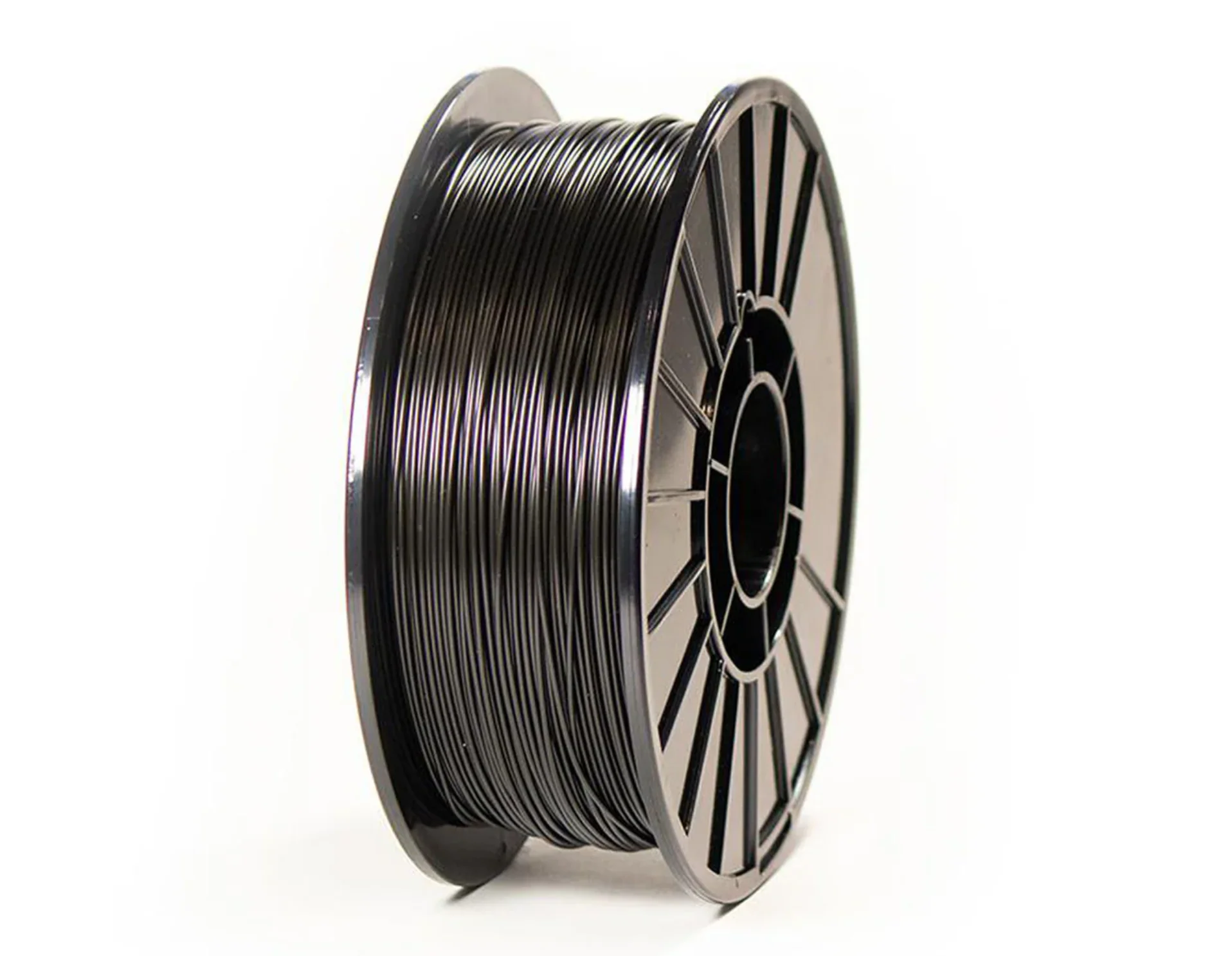
ABS filament is a strong, durable 3D printing material designed for functional parts that need better toughness, flexibility, and heat resistance than PLA. ABS, short for Acrylonitrile Butadiene Styrene, has been used for years in manufacturing and prototyping because of its strength, machinability, and ability to produce reliable end-use parts.
ABS is a great choice for brackets, mounts, enclosures, fixtures, shop accessories, mechanical components, prototype parts, and other prints that may be exposed to moderate heat or repeated handling. Compared to PLA, ABS offers improved impact resistance, better temperature resistance, and more flexibility, making it a strong option when you need parts that are less brittle and more durable.
Finished ABS parts can also be post-processed by sanding, machining, or vapor smoothing with acetone, allowing for a smoother, more finished appearance when desired.
Key Features
- Higher strength and flexibility compared to PLA
- Better temperature resistance than PLA
- Good impact resistance for functional printed parts
- Machinable for prototype and end-use applications
- Can be sanded, drilled, tapped, or post-processed
- Compatible with acetone vapor smoothing for a smoother finished appearance
- Ideal for brackets, mounts, enclosures, fixtures, shop accessories, mechanical parts, and prototypes
Recommended Print Settings
- Extruder Temperature: 230–260°C
- Bed Temperature: 90–110°C
- Nozzle: 0.4mm standard, larger nozzles may be used for stronger or faster prints
- Layer Height: 0.16–0.28mm depending on desired detail and strength
- Print Speed: 30–60mm/s as a starting range
- Enclosure: Strongly recommended
Printing Tips
ABS prints best in an enclosed printer with stable temperatures to help reduce warping and layer splitting. Use a clean, ABS-compatible build surface and allow printed parts to cool gradually before removing them from the bed.
For stronger parts, print at the higher end of the recommended temperature range and use reduced cooling to improve layer adhesion. ABS can produce noticeable fumes while printing, so it’s best used in a well-ventilated area or with a filtered enclosure.
ABS is a solid choice when you need a stronger, more heat-resistant alternative to PLA and want the option to machine or smooth the finished part.
ABS Filament
ABS filament is a strong, durable 3D printing material designed for functional parts that need better toughness, flexibility, and heat resistance than PLA. ABS, short for Acrylonitrile Butadiene Styrene, has been used for years in manufacturing and prototyping because of its strength, machinability, and ability to produce reliable end-use parts.
ABS is a great choice for brackets, mounts, enclosures, fixtures, shop accessories, mechanical components, prototype parts, and other prints that may be exposed to moderate heat or repeated handling. Compared to PLA, ABS offers improved impact resistance, better temperature resistance, and more flexibility, making it a strong option when you need parts that are less brittle and more durable.
Finished ABS parts can also be post-processed by sanding, machining, or vapor smoothing with acetone, allowing for a smoother, more finished appearance when desired.
Key Features
- Higher strength and flexibility compared to PLA
- Better temperature resistance than PLA
- Good impact resistance for functional printed parts
- Machinable for prototype and end-use applications
- Can be sanded, drilled, tapped, or post-processed
- Compatible with acetone vapor smoothing for a smoother finished appearance
- Ideal for brackets, mounts, enclosures, fixtures, shop accessories, mechanical parts, and prototypes
Recommended Print Settings
- Extruder Temperature: 230–260°C
- Bed Temperature: 90–110°C
- Nozzle: 0.4mm standard, larger nozzles may be used for stronger or faster prints
- Layer Height: 0.16–0.28mm depending on desired detail and strength
- Print Speed: 30–60mm/s as a starting range
- Enclosure: Strongly recommended
Printing Tips
ABS prints best in an enclosed printer with stable temperatures to help reduce warping and layer splitting. Use a clean, ABS-compatible build surface and allow printed parts to cool gradually before removing them from the bed.
For stronger parts, print at the higher end of the recommended temperature range and use reduced cooling to improve layer adhesion. ABS can produce noticeable fumes while printing, so it’s best used in a well-ventilated area or with a filtered enclosure.
ABS is a solid choice when you need a stronger, more heat-resistant alternative to PLA and want the option to machine or smooth the finished part.
Product Information
Product Information
Shipping & Returns
Shipping & Returns
Description
ABS filament is a strong, durable 3D printing material designed for functional parts that need better toughness, flexibility, and heat resistance than PLA. ABS, short for Acrylonitrile Butadiene Styrene, has been used for years in manufacturing and prototyping because of its strength, machinability, and ability to produce reliable end-use parts.
ABS is a great choice for brackets, mounts, enclosures, fixtures, shop accessories, mechanical components, prototype parts, and other prints that may be exposed to moderate heat or repeated handling. Compared to PLA, ABS offers improved impact resistance, better temperature resistance, and more flexibility, making it a strong option when you need parts that are less brittle and more durable.
Finished ABS parts can also be post-processed by sanding, machining, or vapor smoothing with acetone, allowing for a smoother, more finished appearance when desired.
Key Features
- Higher strength and flexibility compared to PLA
- Better temperature resistance than PLA
- Good impact resistance for functional printed parts
- Machinable for prototype and end-use applications
- Can be sanded, drilled, tapped, or post-processed
- Compatible with acetone vapor smoothing for a smoother finished appearance
- Ideal for brackets, mounts, enclosures, fixtures, shop accessories, mechanical parts, and prototypes
Recommended Print Settings
- Extruder Temperature: 230–260°C
- Bed Temperature: 90–110°C
- Nozzle: 0.4mm standard, larger nozzles may be used for stronger or faster prints
- Layer Height: 0.16–0.28mm depending on desired detail and strength
- Print Speed: 30–60mm/s as a starting range
- Enclosure: Strongly recommended
Printing Tips
ABS prints best in an enclosed printer with stable temperatures to help reduce warping and layer splitting. Use a clean, ABS-compatible build surface and allow printed parts to cool gradually before removing them from the bed.
For stronger parts, print at the higher end of the recommended temperature range and use reduced cooling to improve layer adhesion. ABS can produce noticeable fumes while printing, so it’s best used in a well-ventilated area or with a filtered enclosure.
ABS is a solid choice when you need a stronger, more heat-resistant alternative to PLA and want the option to machine or smooth the finished part.