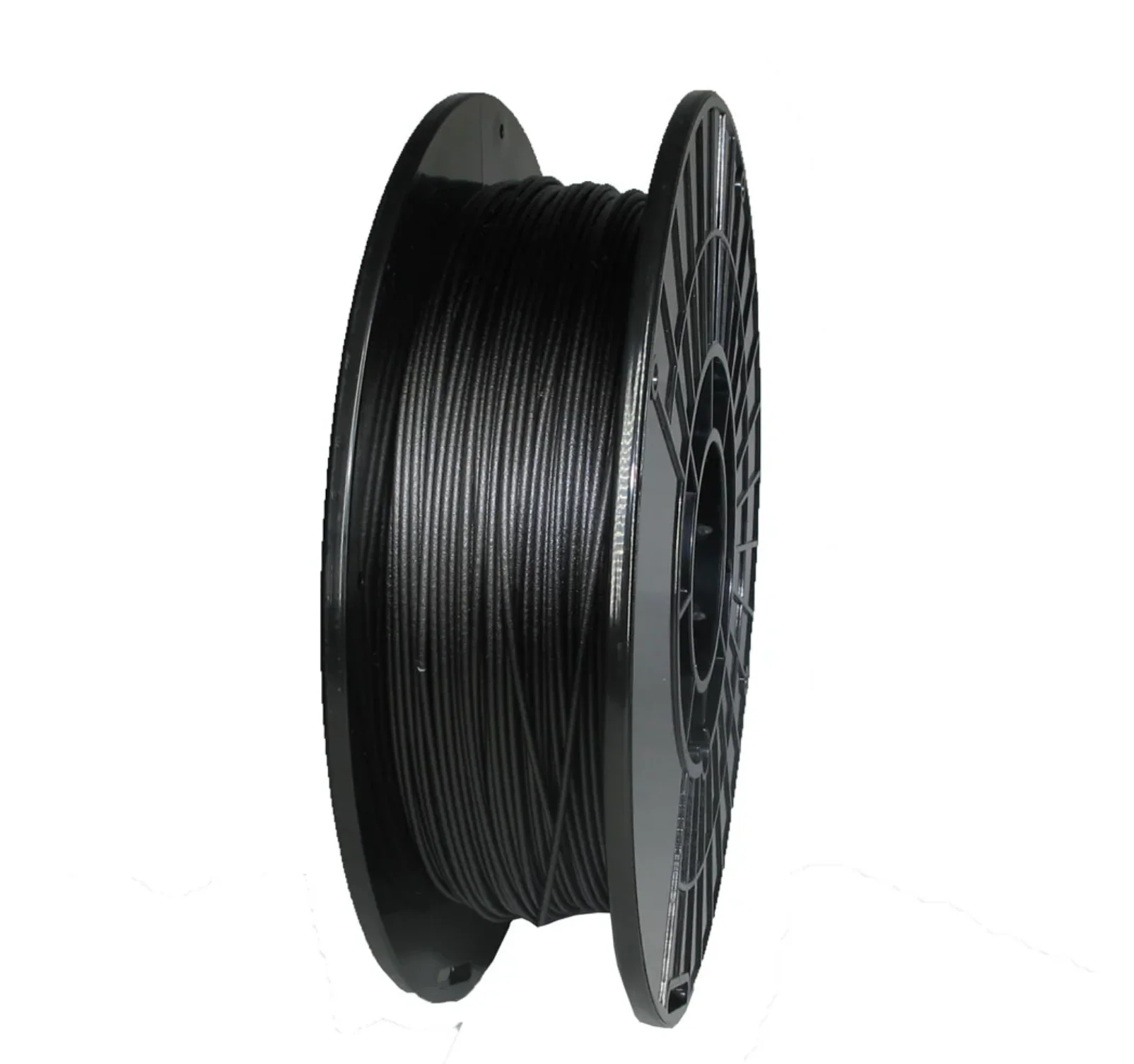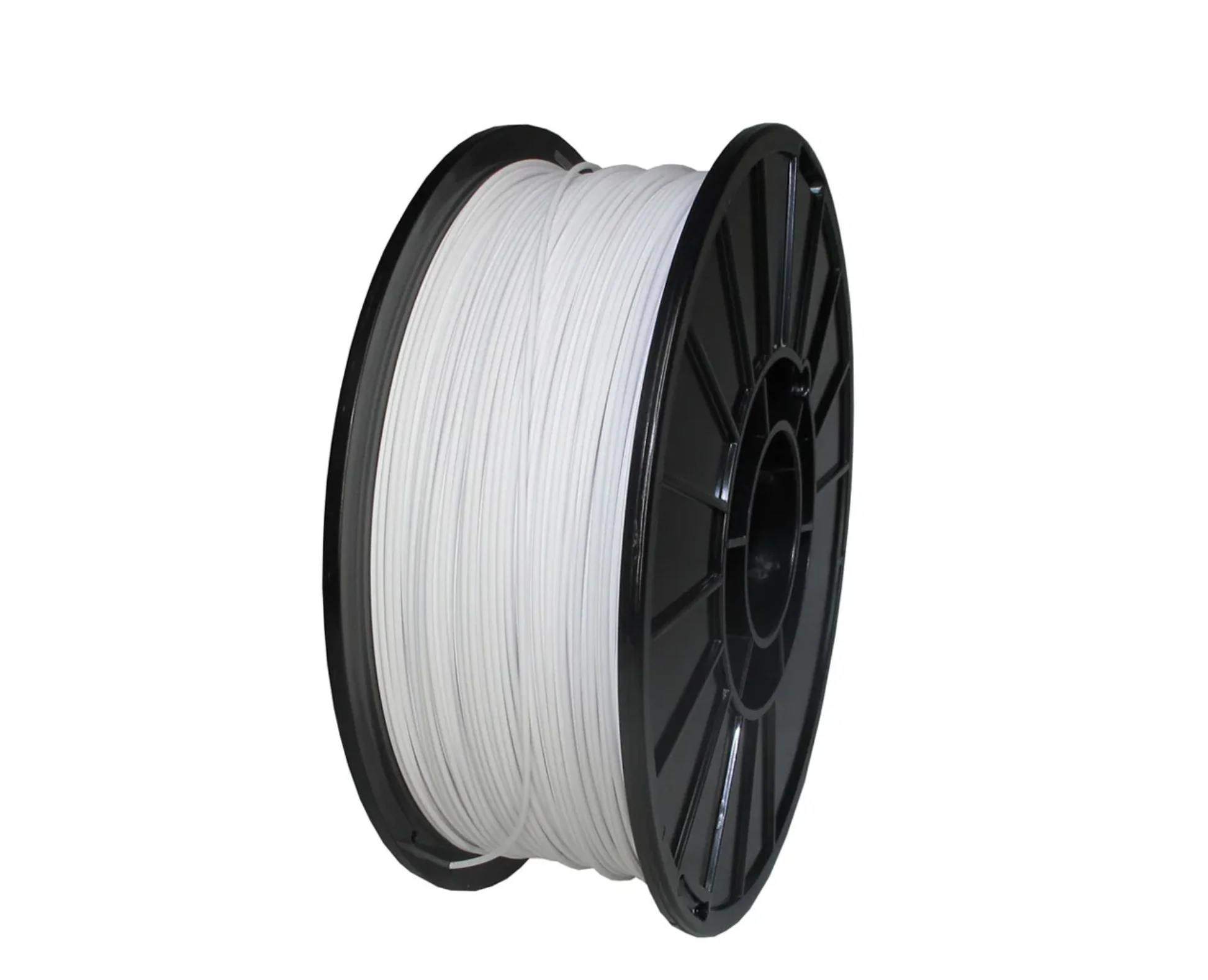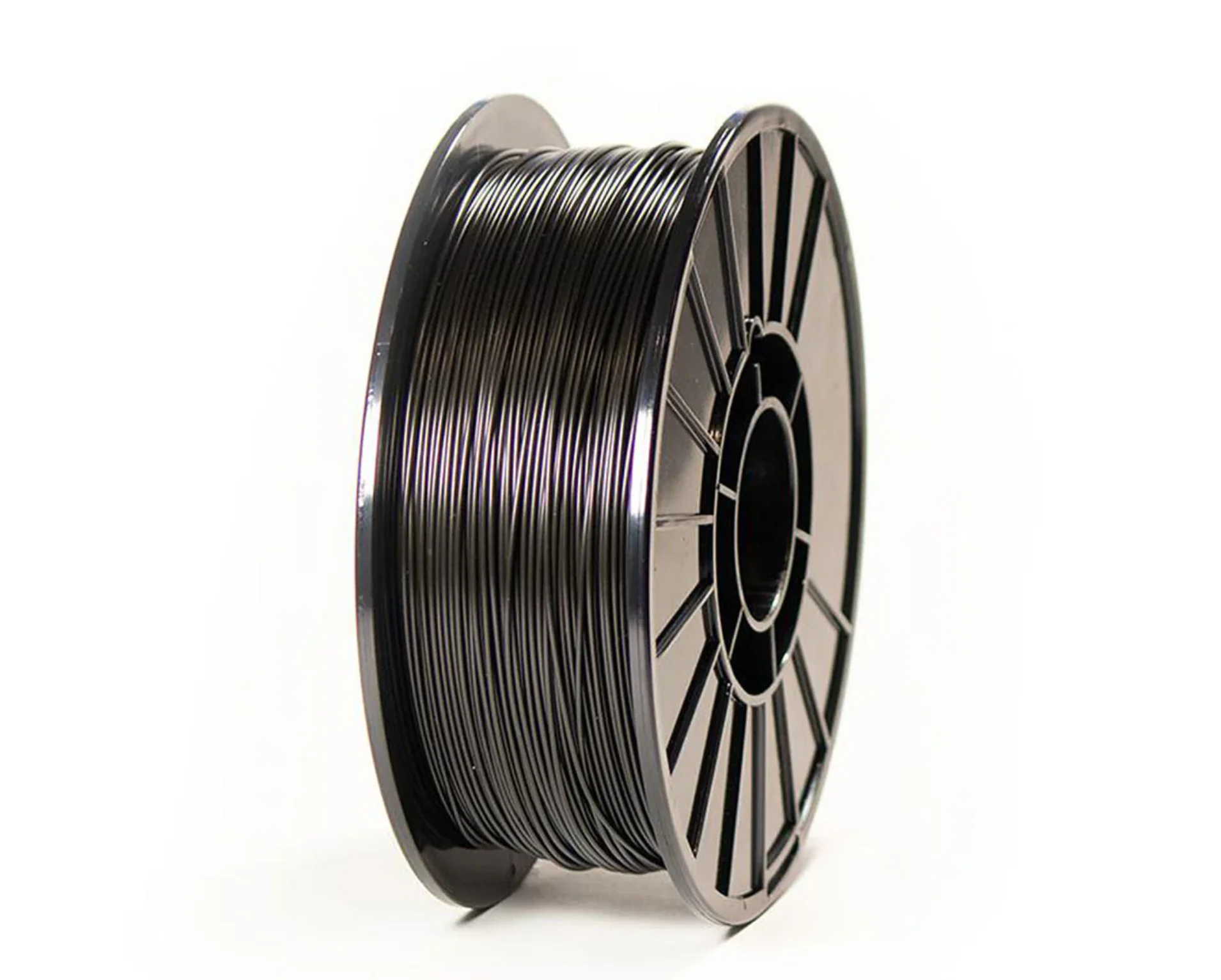
Nylon Filament
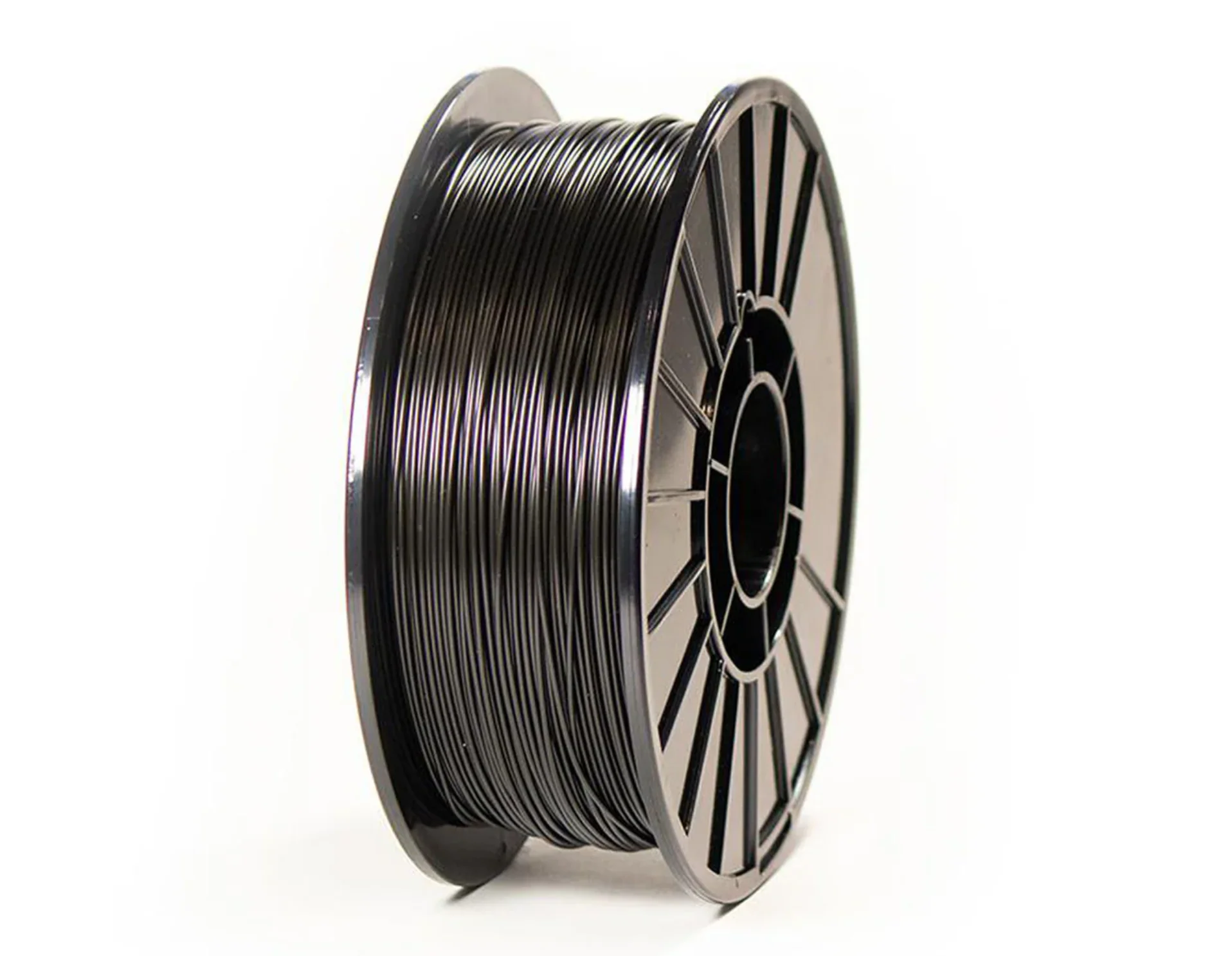
Nylon filament is an engineering-grade 3D printing material designed for strong, durable, truly functional parts. Specifically formulated for 3D printing, Nylon offers an excellent combination of thermal, mechanical, and chemical resistance, making it a great choice when everyday materials like PLA or PETG are not tough enough.
Nylon is well known for its wear resistance, abrasion resistance, and ability to handle repeated movement or stress. It is ideal for shop-use parts, brackets, bushings, gears, hinges, clips, fixtures, tooling, machine accessories, and other components that need to survive real-world use.
This material also offers high heat resistance without requiring a heated chamber, making it more accessible than some advanced engineering filaments. Each 1kg spool is compatible with most multi-material systems, including Bambu Lab AMS. PwnCNC’s filament lineup is part of the broader Push Plastic retail filament offering.
Key Features
- Engineering-grade Nylon formulated for 3D printing
- Excellent thermal, mechanical, and chemical resistance
- Outstanding wear and abrasion resistance
- Great for truly functional printed parts
- High heat resistance without requiring a heated chamber
- Strong, tough, and durable for repeated-use applications
- Ideal for brackets, bushings, clips, gears, hinges, fixtures, tooling, machine accessories, and shop parts
- 1kg spool compatible with most multi-material systems, including Bambu Lab AMS
Recommended Print Settings
- Extruder Temperature: 250–275°C
- Bed Temperature: 90–110°C
- Nozzle: 0.4mm or larger
- Layer Height: 0.16–0.28mm depending on desired detail and strength
- Print Speed: 30–60mm/s as a starting range
- Enclosure: Helpful, but not required
Printing Tips
Nylon is hygroscopic, meaning it readily absorbs moisture from the air. For best results, dry the filament before printing and store it sealed when not in use. Wet Nylon can cause popping, stringing, rough surface finish, weak layer bonding, and inconsistent extrusion.
For stronger parts, print toward the higher end of the recommended temperature range and use moderate print speeds to improve layer adhesion. A clean, properly prepared build surface is important for bed adhesion, and allowing parts to cool gradually can help reduce warping.
Original: $69.99
-65%$69.99
$24.50Nylon Filament
Nylon filament is an engineering-grade 3D printing material designed for strong, durable, truly functional parts. Specifically formulated for 3D printing, Nylon offers an excellent combination of thermal, mechanical, and chemical resistance, making it a great choice when everyday materials like PLA or PETG are not tough enough.
Nylon is well known for its wear resistance, abrasion resistance, and ability to handle repeated movement or stress. It is ideal for shop-use parts, brackets, bushings, gears, hinges, clips, fixtures, tooling, machine accessories, and other components that need to survive real-world use.
This material also offers high heat resistance without requiring a heated chamber, making it more accessible than some advanced engineering filaments. Each 1kg spool is compatible with most multi-material systems, including Bambu Lab AMS. PwnCNC’s filament lineup is part of the broader Push Plastic retail filament offering.
Key Features
- Engineering-grade Nylon formulated for 3D printing
- Excellent thermal, mechanical, and chemical resistance
- Outstanding wear and abrasion resistance
- Great for truly functional printed parts
- High heat resistance without requiring a heated chamber
- Strong, tough, and durable for repeated-use applications
- Ideal for brackets, bushings, clips, gears, hinges, fixtures, tooling, machine accessories, and shop parts
- 1kg spool compatible with most multi-material systems, including Bambu Lab AMS
Recommended Print Settings
- Extruder Temperature: 250–275°C
- Bed Temperature: 90–110°C
- Nozzle: 0.4mm or larger
- Layer Height: 0.16–0.28mm depending on desired detail and strength
- Print Speed: 30–60mm/s as a starting range
- Enclosure: Helpful, but not required
Printing Tips
Nylon is hygroscopic, meaning it readily absorbs moisture from the air. For best results, dry the filament before printing and store it sealed when not in use. Wet Nylon can cause popping, stringing, rough surface finish, weak layer bonding, and inconsistent extrusion.
For stronger parts, print toward the higher end of the recommended temperature range and use moderate print speeds to improve layer adhesion. A clean, properly prepared build surface is important for bed adhesion, and allowing parts to cool gradually can help reduce warping.
Product Information
Product Information
Shipping & Returns
Shipping & Returns
Description
Nylon filament is an engineering-grade 3D printing material designed for strong, durable, truly functional parts. Specifically formulated for 3D printing, Nylon offers an excellent combination of thermal, mechanical, and chemical resistance, making it a great choice when everyday materials like PLA or PETG are not tough enough.
Nylon is well known for its wear resistance, abrasion resistance, and ability to handle repeated movement or stress. It is ideal for shop-use parts, brackets, bushings, gears, hinges, clips, fixtures, tooling, machine accessories, and other components that need to survive real-world use.
This material also offers high heat resistance without requiring a heated chamber, making it more accessible than some advanced engineering filaments. Each 1kg spool is compatible with most multi-material systems, including Bambu Lab AMS. PwnCNC’s filament lineup is part of the broader Push Plastic retail filament offering.
Key Features
- Engineering-grade Nylon formulated for 3D printing
- Excellent thermal, mechanical, and chemical resistance
- Outstanding wear and abrasion resistance
- Great for truly functional printed parts
- High heat resistance without requiring a heated chamber
- Strong, tough, and durable for repeated-use applications
- Ideal for brackets, bushings, clips, gears, hinges, fixtures, tooling, machine accessories, and shop parts
- 1kg spool compatible with most multi-material systems, including Bambu Lab AMS
Recommended Print Settings
- Extruder Temperature: 250–275°C
- Bed Temperature: 90–110°C
- Nozzle: 0.4mm or larger
- Layer Height: 0.16–0.28mm depending on desired detail and strength
- Print Speed: 30–60mm/s as a starting range
- Enclosure: Helpful, but not required
Printing Tips
Nylon is hygroscopic, meaning it readily absorbs moisture from the air. For best results, dry the filament before printing and store it sealed when not in use. Wet Nylon can cause popping, stringing, rough surface finish, weak layer bonding, and inconsistent extrusion.
For stronger parts, print toward the higher end of the recommended temperature range and use moderate print speeds to improve layer adhesion. A clean, properly prepared build surface is important for bed adhesion, and allowing parts to cool gradually can help reduce warping.